
Gallery
Hear it for yourself.
An endpin is a small part, and the claim that it changes a cello's sound is easy to doubt. Rather than ask you to take our word for it, here are recordings — including comparisons filmed by other channels, and one blind test.
Several are narrated in Korean. The sound needs no translation.
A two-part comparison
One channel put DUROD, Berlin Sound and Bender on the same cello across two episodes. The second is a blind test — the listener is told nothing about which endpin is playing. If an endpin only made a difference on paper, that is the test that would expose it.
Part 1 — three endpins compared
Does a cello endpin alone change the sound?
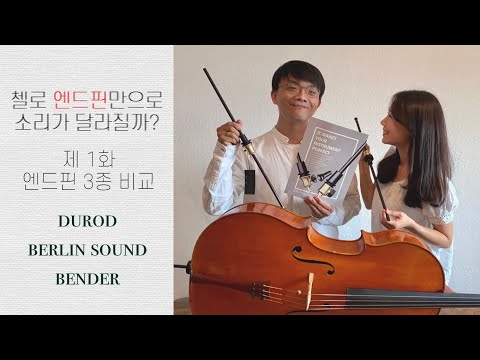
Part 2 — blind test
The same three endpins, this time with nothing revealed to the listener.

More comparisons
Cello endpins: sound comparison
An endpin comparison published on the FABROVIOLINS channel.

Can an endpin make a cello sound better?
A player works through the question directly.

DUROD sound tests
Sound Test 1
The endpin on a cello, recorded so you can listen for the difference.

Sound Test 2
A second listening test, with cellist Woo Chang Hoon.

The brand
DUROD Story
Where DUROD came from, and what we were trying to solve.

Follow DUROD
New endpins, players using them, and work from the bench.
Why the difference is audible
Carbon refines the cello's sound, making it clearer and more focused. The metal inside enhances the instrument's resonance, providing a rich volume. Which metal sits inside the carbon decides where the balance falls.